Fake It Till Forever
by PageCrave Editorial
The contract was supposed to be the easy part.
Sheng Huai is thirty-one, a managing director with a family foundation, a hundred-day deadline, and one impossible requirement: to win the anchor investment that will save his mandate, he must present the board with a stable life and a long-term partner. Stability, in his family, has always been a document problem. So he does what his bloodline has done for three generations. He drafts.
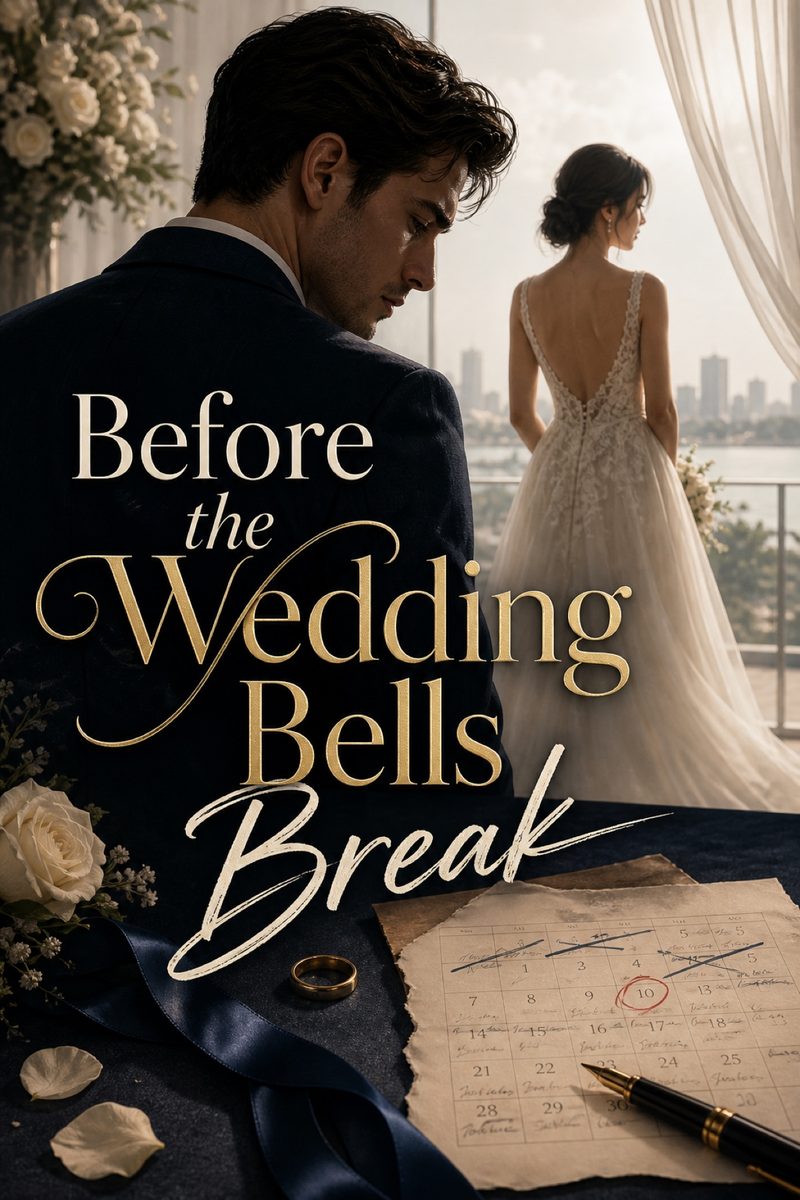
The partner he drafts is Wen Ni, twenty-eight, the best wedding planner in the city, and the one woman in it with reasons to hate him. Twenty minutes into her own wedding, at the altar of the biggest event of her career, the groom walked. The wedding that died at minute twenty was for Sheng Huai's cousin, and the cousin's fiancée spent that winter learning exactly what the Sheng family does to outsiders: it prices them.
Eleven clauses. A five-million penalty. One hundred days of performed devotion through board reviews, gallery openings, hospital corridors, and a family that audits everything, including each other. She is calm in every room that goes wrong, and every room goes wrong on schedule. He is precise, armored, fluent in risk, and used to paying for anything except the truth. They agree on the terms. They agree on the evidence chain. They agree that neither of them will lose.
But the contract has a twelfth page, and the eleventh clause is written in handwriting neither of them will claim: whoever falls first must end the contract and confess to the other person's face.
So the falling begins, and it keeps perfect books.
He breaches clause by clause and pays each penalty in full, in tea poured hot, in floors written into margins, in an umbrella held through weather and litigation alike. She terminates on principle and adds a counteroffer with a flower pressed to the page. The fake becomes an act they perform for audiences of thousands while the real thing happens in the silence after, in a tally page of small debts, in a watch that stops in a drawer, in a vendor blacklist dissolving name by name because its author finally made the calls. Every use of the contract pushes them toward the one clause that cannot be faked. Every voided clause widens the penalty. And the penalty, rewritten late at night in the first person, has stopped reading like a fine and started reading like a vow.
When the scandal finally reaches a hearing room, when the family vote comes down to a single brush-written line in a founding letter, when a reporter asks one question on camera about one clause, both of them will have to decide what they signed in July and what they meant by it.
Because somewhere between the board reviews and the backup drives, the performance stopped needing an audience. And clause eleven, the one term neither of them has ever denied, is not a question of drafting anymore. It is a question of nerve: who ends it, who says it to the other person's face, and who admits, out loud, in front of witnesses, that the penalty was never five million at all.
One hundred days. One hidden clause. Two excellent liars, one of whom is about to lose on purpose.
In our reading guide: The terms were clear. Nobody followed them.