Impulse
by PageCrave Editorial
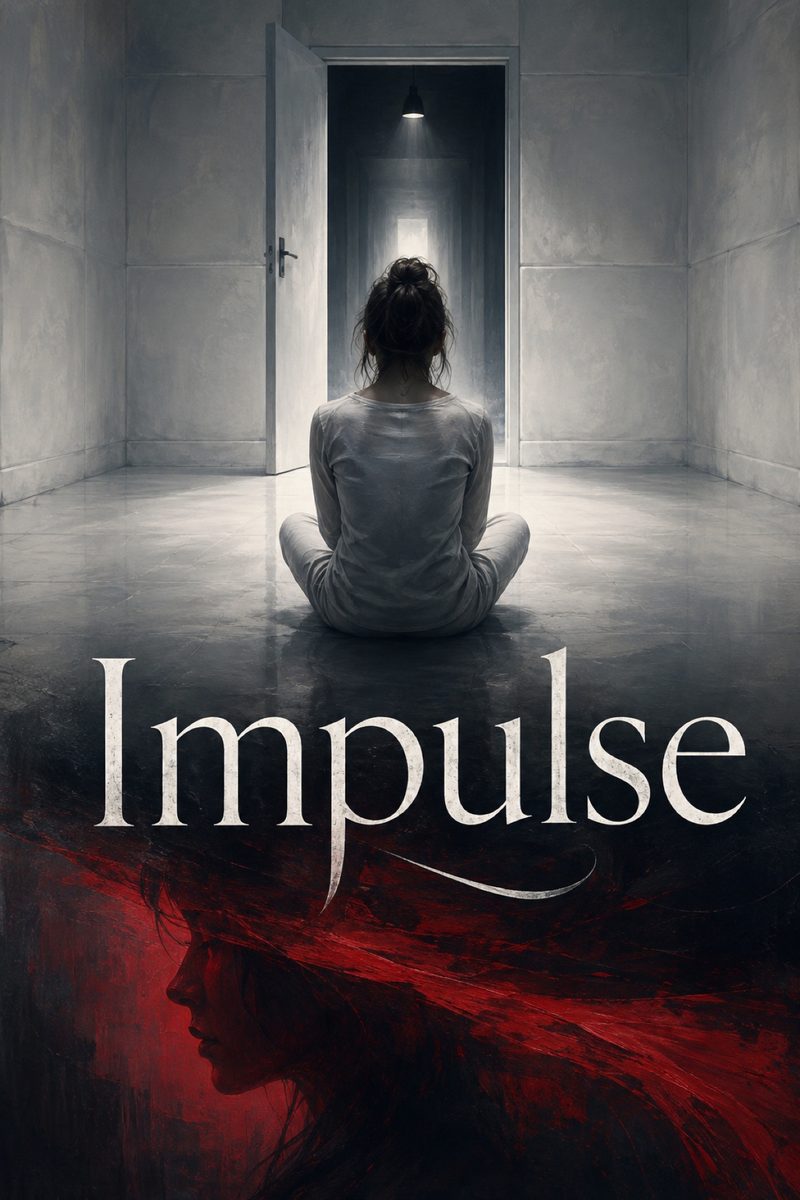
Casey Cooke learned early that trust can be weaponized. Her mother taught it to her the morning she walked out with a suitcase and never came back. Her uncle taught it every night after, in a house where a girl made herself useful so the hitting would stop. So when a rag soaked in something sweet covered her mouth and she woke on a mattress in a white room with no window and no clock, Casey did what survivors do. She studied her captor. She waited for the crack in the wall.
The crack was a person. Her captor is not one man. He is many, sharing one body: Dennis, the precise one in grey, who took her for a purpose no one will explain; Patricia, all neat skirts and soft, final threats; Hedwig, a boy in a yellow jacket who bakes cookies and slides notes under the door. And underneath them, two things the others refuse to name: the twenty-fifth, who sits in a chair and watches and says he is what Dennis would be if Dennis let himself go, and the Beast, the thing they keep fed, the thing that calls Casey sacred food.
She was never ransom. She is an offering.
Then the reversals start. She escapes through a heating duct and gets two blocks before the world closes again. Six months later Dennis walks through her uncle's back door to warn that the Beast is coming, and the rag comes out once more. In the mountain house she finds Joshua, another captive, and a skylight, and a plan, and a fall that ends with Joshua gone. She buys her life with silence and learns something worse: her uncle has been covering for her kidnappers since the day she vanished. The man who should have saved her sold her.
The second captivity breaks differently. The personalities vote. The twenty-fifth attacks and is voted down, and Dennis, her jailer, turns into a strange, careful protector. Casey gets out, has a daughter she names Ella, builds a quiet life, and then finds a note on her kitchen table in handwriting that is not Dennis's: We are watching.
What follows is the siege the book bends toward: a cabin, a dead fire, a house in the woods that is simply gone. Casey walks into the basement alone and offers the twenty-fifth the one thing nobody ever gave him, a choice. He takes it, the Beast goes with him, and the house comes down behind him like it was never there. But the man at the window does not stay gone. He turns up faceless in Ella's dreams, then in her crayon drawings: a house in the woods, a figure at the window with eyes and no face.
The last weapon Casey finds is not a knife. It is a sentence, spoken at the foot of her daughter's bed: you can come to the door, but you cannot come in.
Impulse is a slow-burn suspense about a woman taken by a man who is many men, about the family member who traded her, and about the impossible road after, when the captor who stayed gentle becomes her husband and the danger moves out of locked rooms and into the one place no lock can reach: home.